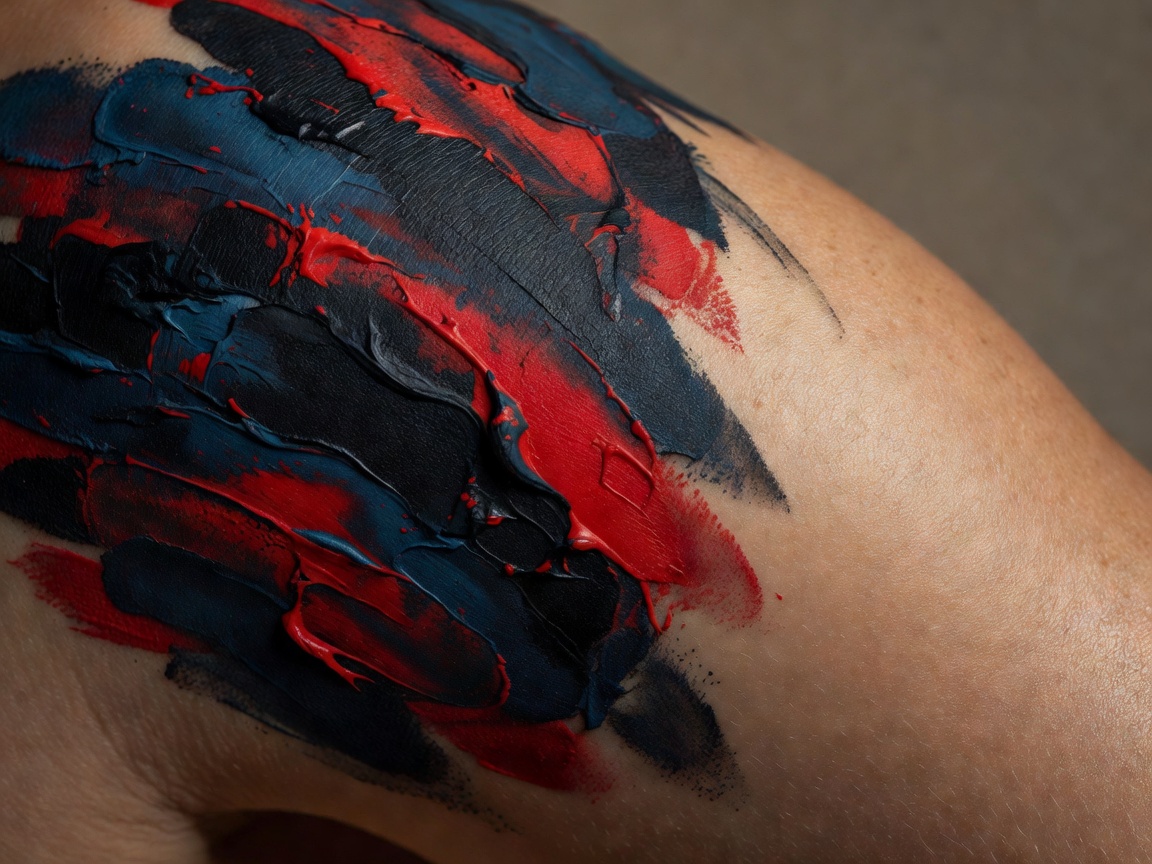
Body modification is a universally documented human practice, but pushing the boundaries of dermal pigmentation to near 100% coverage represents an extreme physical and financial endurance event. When assessing these records, particularly among senior citizens, the focus shifts from the act of tattooing to the long-term biological interaction between heavy metal pigments and the aging human dermis.
The Physiology of Total Saturation
The human skin has a surface area of approximately 1.5 to 2.0 square meters in adults. Achieving complete coverage requires introducing ink into the dermis—the layer of tissue beneath the epidermis—across virtually every accessible square millimeter. This process relies on the body's immune system; macrophages engulf the foreign ink particles in an attempt to remove them, but become trapped in the dermal matrix, permanently suspending the pigment.
In cases of extreme coverage, several physiological factors must be considered:
- Thermoregulation: Extensive, dark tattooing can alter how the skin absorbs radiant heat, requiring individuals to be highly conscious of sun exposure to avoid localized overheating.
- MRI Complications: Older tattoo inks often contained higher levels of ferromagnetic compounds (like iron oxide). Individuals with total body coverage using historical inks face severe risks of burning or image artifacting during Magnetic Resonance Imaging scans.
- Lymphatic Load: Over decades, a small percentage of ink particles migrate to the lymph nodes, permanently staining them. While generally considered benign, the long-term oncological implications of maximum lymphatic saturation remain a subject of study.
Maintaining the Canvas Over Decades
Skin is not a static canvas. As the human body ages, elasticity decreases due to the breakdown of collagen and elastin fibers. This causes tattoos to stretch, blur, and distort. For seniors who have dedicated their lives to full-body coverage, maintaining the aesthetic integrity of the work requires continuous intervention.
Fading is inevitable, exacerbated by UV radiation and the slow, ongoing action of the immune system. Individuals seeking to maintain record-level vibrancy must undergo cyclical "touch-up" sessions, effectively re-traumatizing the dermis to deposit fresh pigment over the old. This layering creates dense, scar-tissue-like structures in heavily worked areas, changing the very texture of the skin.
The Temporal Commitment
Calculating the time required for complete coverage is complex. A standard large piece may take 40 hours. Total body coverage, encompassing painful and difficult-to-ink areas like the armpits, soles of the feet, inside of the ears, and genitalia, can easily exceed 1,000 to 1,500 hours under the needle. Spread over a lifetime, this represents not just a cosmetic choice, but a lifestyle organized around healing cycles and prolonged physical discomfort.
In analyzing total surface modification among seniors, we observe a physical timeline of the tattoo industry itself, mapped onto human skin—from the heavy, unregulated pigments of the mid-20th century to the precise, organic compounds used in contemporary touch-ups.