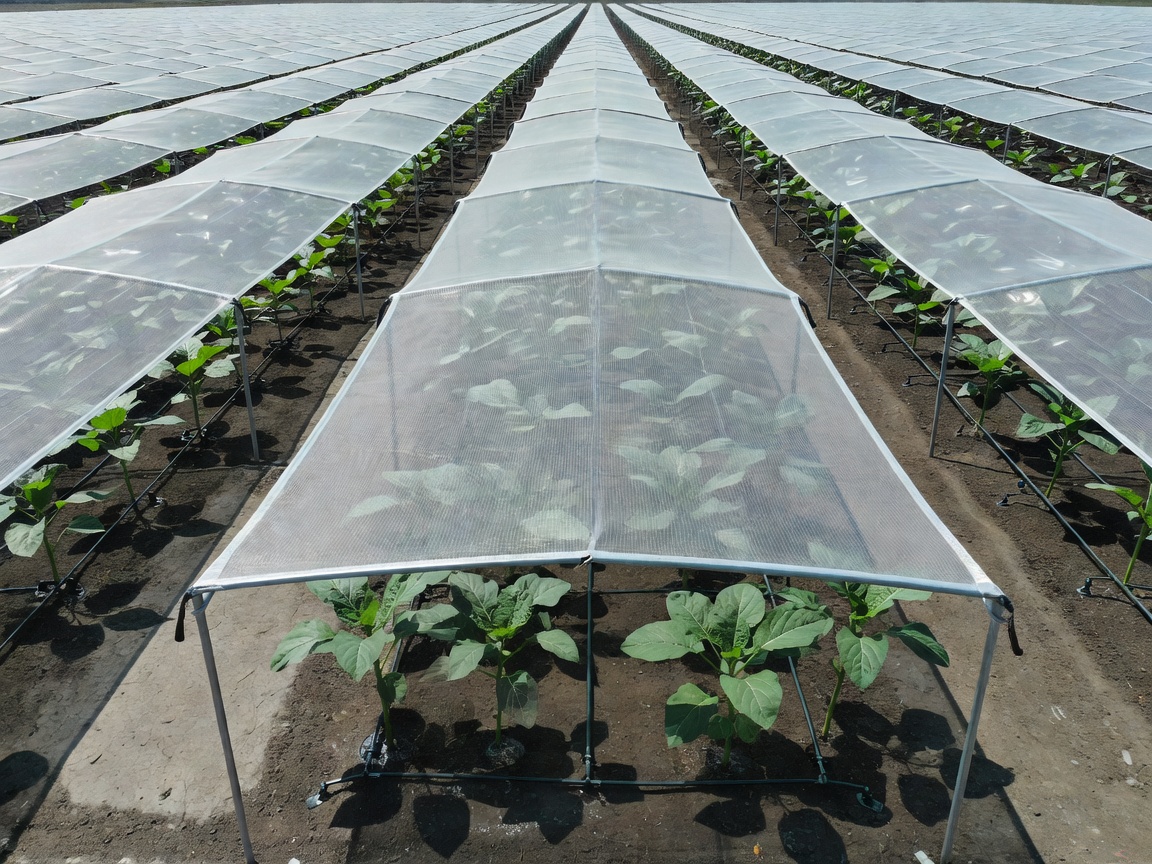
The competitive cultivation of giant vegetables, particularly dense root crops and bulbs like *Allium cepa* (the onion), transcends traditional gardening. It is an exercise in applied agricultural science, pushing botanical genetics to their absolute limits through hyper-controlled environmental variables. Establishing mass records in this domain requires engineering a growing environment devoid of natural limitations.
Genetic Selection and Pedigree
Standard commercial vegetable seeds are bred for uniformity, shelf-life, and disease resistance. Record-breaking specimens require entirely different genetic lines. These seeds are rarely commercialized; instead, they are traded privately among top growers. They rely on recessive traits for prolonged vegetative growth phases, preventing the plant from signaling the end of its life cycle (bolting) before maximum mass is achieved.
Growers maintain meticulous pedigree charts, cross-pollinating top-performing specimens year over year to isolate alleles responsible for massive cellular expansion rather than rapid maturity.
Environmental Control Parameters
A plant intended for record-breaking mass cannot be subjected to the vagaries of weather. They are typically grown indoors or in high-tech poly-tunnels where variables are strictly managed:
- Photoperiod Manipulation: Onions are photoperiodic—bulb formation is triggered by daylight hours. By using high-intensity grow lights to artificially extend "daylight" beyond typical seasonal limits, growers force the plant to remain in an extended vegetative state, producing massive foliage necessary to power a larger eventual bulb.
- Precision Soil Chemistry: Substrates are engineered from scratch. Mycorrhizal fungi are introduced to maximize root surface area. NPK (Nitrogen, Phosphorus, Potassium) ratios are adjusted weekly based on tissue analysis, ensuring the plant never experiences a nutrient deficit that might slow cellular division.
- Micro-Climate Tuning: Industrial fans and localized heating pads ensure optimal transpiration rates and soil temperatures. Extreme onions are often grown in raised sand beds to ensure perfect drainage and prevent rot at the basal plate.
The Logistics of the Weigh-In
The final challenge of extreme agriculture is transportation. A bulb weighing several kilograms, heavily hydrated and fragile, can easily split under its own weight or be bruised during transit. Competitions require the specimen to be completely sound—any sign of rot or artificial tampering (such as injecting water or weights) results in immediate disqualification.
Growers utilize custom-built, shock-absorbent crates to transport their specimens to verified agricultural shows, where they are weighed on federally calibrated scales to tolerances of fractions of an ounce. The pursuit of these records highlights the incredible plasticity of plant biology when unbound by the scarcity inherent in natural ecosystems.